NVIDIA · GPUs
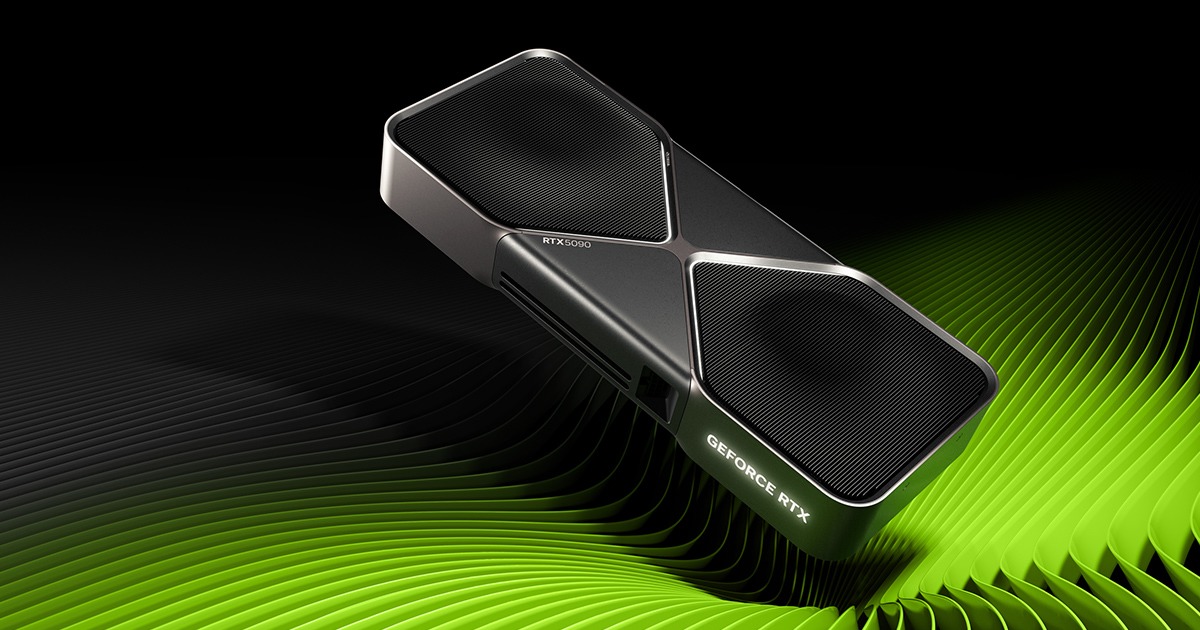
GeForce RTX 5090
GeForce RTX 5090 is positioned for 4K ultra gaming and AI workloads at a $1699 editorial reference. Its main advantage should outweigh this documented drawback: Driver maturity varies by title and launch window. 13 published specification fields have source coverage; unbadged fields remain reference data.
Buying verdict
GeForce RTX 5090 is best suited to 4K ultra gaming and AI workloads. Compare alternatives if this documented drawback would undermine that fit: Driver maturity varies by title and launch window.
Editorial score
8.8 / 10
Medium source confidence
Reference price
$1,699
Released
Jan 30, 2025
Reference price, not a live offer. Editorial data date Jul 29, 2026. Specs and availability can vary by configuration, region, and retailer. Status: available.
Source coverage: 1 cited reference covers 13 listed specifications. “Source cited” labels identify those fields; unbadged specifications remain editorial reference data pending field-level review.
These links open manufacturer or retailer pages so you can check live availability. Prices on this page are editorial references, not offers. Rankings and scores are not influenced by commercial relationships.
Should you buy it?
A practical ownership call
- Buy it if you want 4K ultra gaming and AI workloads.
- Skip it if confirm geforce rtx 5090's target resolution, process node, and memory bandwidth for the exact us configuration.
- Check current US street pricing before paying launch-level money.
Pros and cons
Pros
- Strong everyday fit for 4K ultra gaming
- Documented memory for GeForce RTX 5090: 32GB
- Reference US pricing around $1699 makes the trade-offs easier to evaluate
Cons
- Confirm GeForce RTX 5090's target resolution, process node, and memory bandwidth for the exact US configuration
- GeForce RTX 5090's $1699 figure is an editorial reference, not a live retailer offer
- GeForce RTX 5090 has field-level citations for 13 of 18 listed specifications
Key specs
- Architecture
- NVIDIA Blackwell Source cited
- Process Node
- TSMC 4N Needs confirmation
- Memory
- 32GB Source cited
- Memory Type
- GDDR7 Source cited
- Memory Bus
- 512-bit Source cited
- Memory Bandwidth
- 1.79 TB/s Needs confirmation
- Shader / CUDA Cores
- 21760 CUDA cores Needs confirmation
- Boost Clock
- 2.41 GHz Source cited
Buying scores
These are editorial estimates, not laboratory measurements. Medium source confidence; 72% of listed specification fields currently have field-level citations.
Gaming 1440p
9.8
Gaming 4K
9.8
Ray Tracing
9.8
Power Efficiency
7.2
Price to Performance
7
Compare
Compare with similar products
Choose any gpus alternative. Curated pairs open an editorial decision; every other pair opens a specs-only comparison.
Curated comparisons for GeForce RTX 5090
Alternatives
NVIDIA
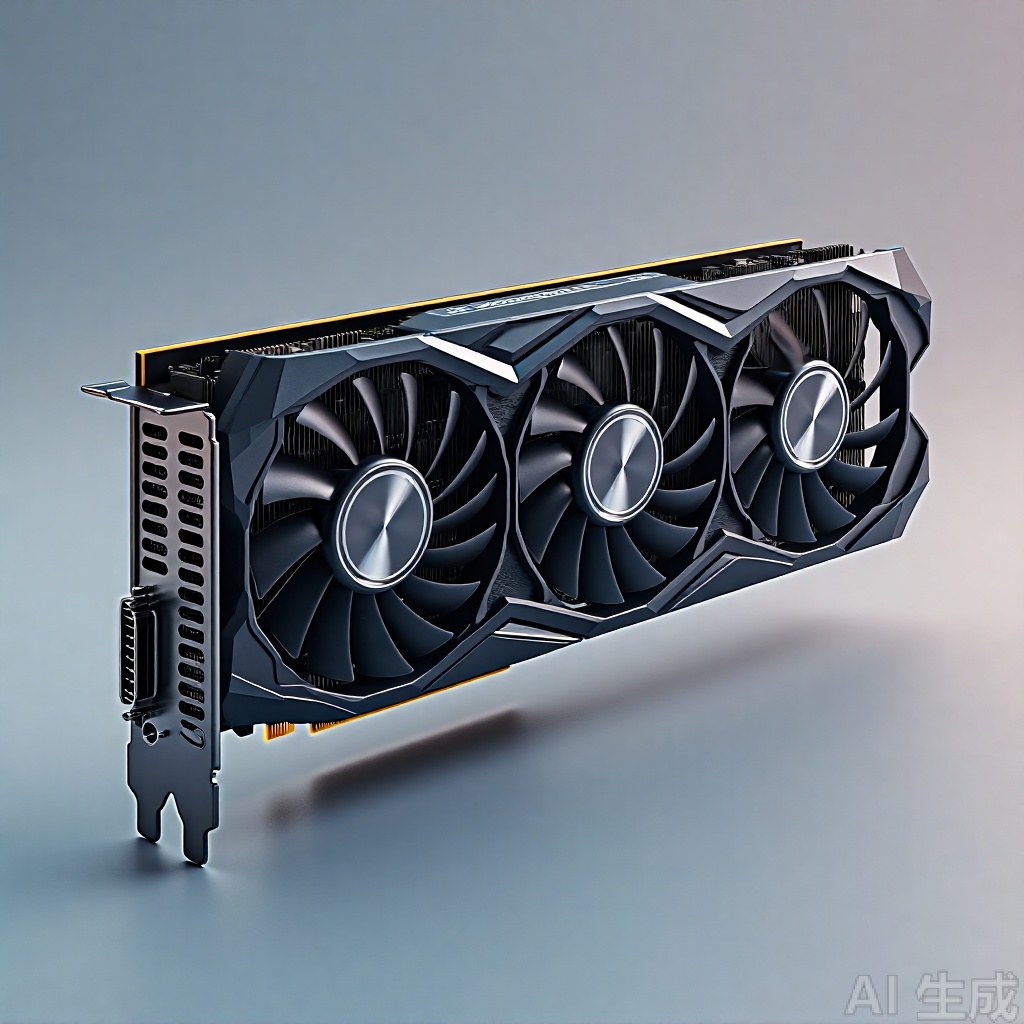
GeForce RTX 4090
GeForce RTX 4090 is best suited to 4K ultra and creator VRAM. Compare alternatives if this documented drawback would undermine that fit: Driver maturity varies by title and launch window.
NVIDIA
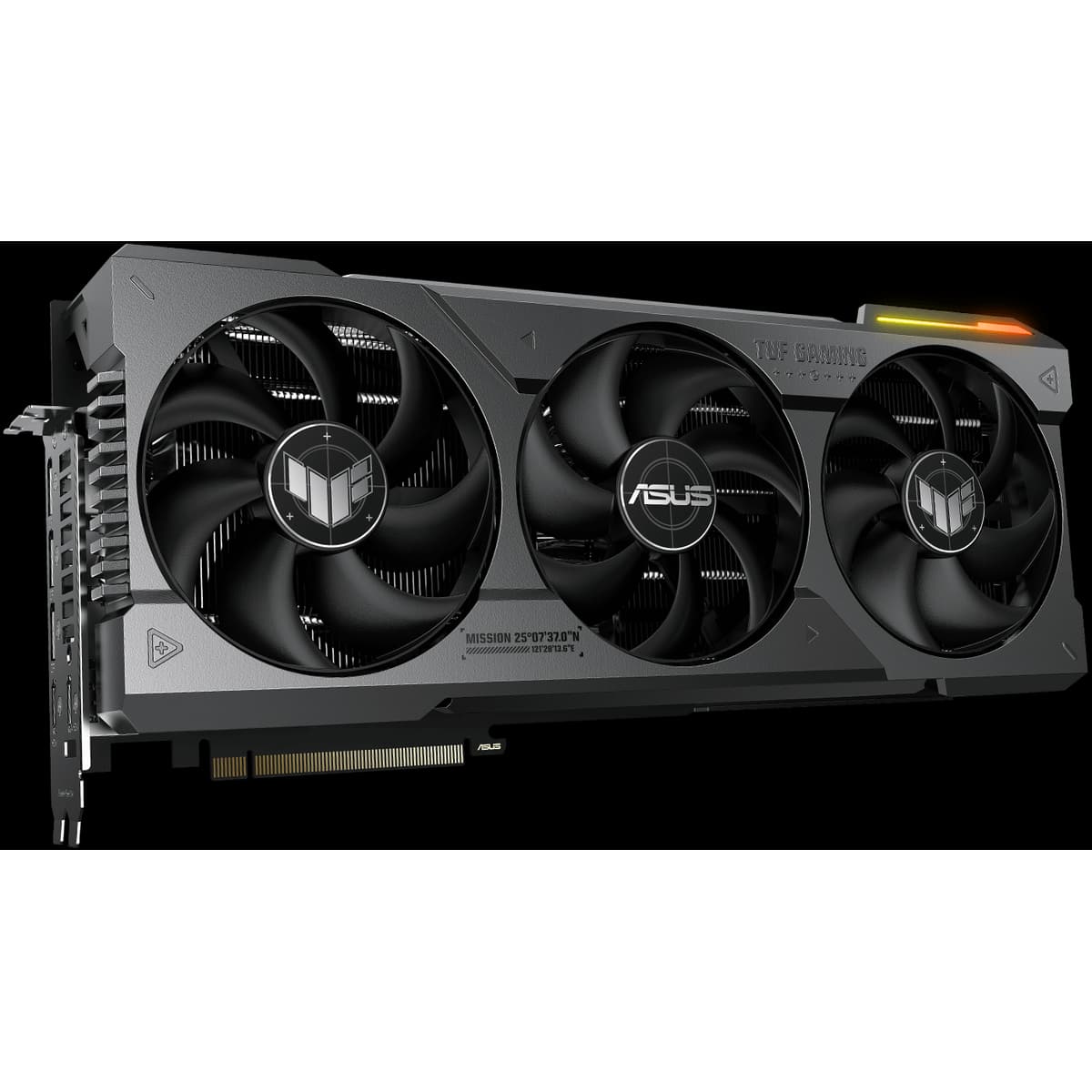
GeForce RTX 4080 Super
Choose GeForce RTX 4080 SUPER for a high-end Ada build when 16GB memory and a 750W power budget fit the system. Skip it if available pricing does not justify it against newer alternatives.
Featured in rankings
Best GPUs for 4K Gaming
Best GPUs for 4K Gaming ranked for North America shoppers by 1440p performance, 4K headroom, VRAM, ray tracing, power draw, cooler size, and street price,.
Best GPUs for Creators
Best GPUs for Creators ranked for North America shoppers by 1440p performance, 4K headroom, VRAM, ray tracing, power draw, cooler size, and street price,.
Best NVIDIA GPUs
Best NVIDIA GPUs ranked for North America shoppers by 1440p performance, 4K headroom, VRAM, ray tracing, power draw, cooler size, and street price,.
Best Ray-Tracing GPUs in 2026 for 1440p and 4K
Compare six ray-tracing GPUs for 1440p and 4K by RT hardware, upscaling, VRAM, power needs, and value, with clear reasons to buy or skip each card.
Popular comparisons
GeForce RTX 4090 vs GeForce RTX 5090: Which Should You Buy?
Compare GeForce RTX 4090 and GeForce RTX 5090 by 1440p performance, 4K headroom, VRAM, ray tracing, power draw, cooler size, and street price, price,.
GeForce RTX 5090 vs GeForce RTX 5080: Which Should You Buy?
Compare GeForce RTX 5090 and GeForce RTX 5080 by 1440p performance, 4K headroom, VRAM, ray tracing, power draw, cooler size, driver support, and street.
Availability, sources, and full notes
US availability
GeForce RTX 5090 is tracked as a US-market option through official brand channels and mainstream electronics retailers.
Common retailers
NVIDIA, Amazon, Best Buy, B&H, Newegg
Sources and verification
- NVIDIA GeForce RTX 5090 specifications · NVIDIA · accessed Jul 29, 2026 · US Field-level coverage: Architecture, Memory, Memory Bus, Typical Board Power, Recommended PSU, Ray Tracing, Upscaling, Memory Type, Boost Clock, Power Connectors, Frame Generation, Display Outputs, Interface
Editorial specification note
NVIDIA's GeForce RTX 5090 page verifies the cited memory, power, display-output, and RTX-feature fields as of 2026-07-29. Chip codename, bandwidth, CUDA-core count, and board-partner dimensions remain editorial reference data unless separately cited.
Editorial price note
NVIDIA US launch and street-price patterns are tracked as editorial USD references, not live retailer checkout prices.
Specifications
18 tracked specs across 7 groups · 13 specifications have a field-level source citation.
Platform
- Architecture
- NVIDIA Blackwell Source cited
- Process Node
- TSMC 4N Needs confirmation
| Architecture | NVIDIA Blackwell Source cited |
|---|---|
| Process Node | TSMC 4N Needs confirmation |
Memory
- Memory
- 32GB Source cited
- Memory Type
- GDDR7 Source cited
- Memory Bus
- 512-bit Source cited
- Memory Bandwidth
- 1.79 TB/s Needs confirmation
| Memory | 32GB Source cited |
|---|---|
| Memory Type | GDDR7 Source cited |
| Memory Bus | 512-bit Source cited |
| Memory Bandwidth | 1.79 TB/s Needs confirmation |
Compute
- Shader / CUDA Cores
- 21760 CUDA cores Needs confirmation
- Boost Clock
- 2.41 GHz Source cited
| Shader / CUDA Cores | 21760 CUDA cores Needs confirmation |
|---|---|
| Boost Clock | 2.41 GHz Source cited |
Power
- Typical Board Power
- 575W Source cited
- Recommended PSU
- 1000W Source cited
- Power Connectors
- 4x PCIe 8-pin (adapter) or 1x 600W PCIe Gen 5 cable Source cited
| Typical Board Power | 575W Source cited |
|---|---|
| Recommended PSU | 1000W Source cited |
| Power Connectors | 4x PCIe 8-pin (adapter) or 1x 600W PCIe Gen 5 cable Source cited |
Gaming
- Ray Tracing
- 4th-gen RT cores Source cited
- Upscaling
- DLSS 4 Source cited
- Frame Generation
- Multi Frame Generation Source cited
- Target Resolution
- 4K ultra / 8K with upscaling Needs confirmation
| Ray Tracing | 4th-gen RT cores Source cited |
|---|---|
| Upscaling | DLSS 4 Source cited |
| Frame Generation | Multi Frame Generation Source cited |
| Target Resolution | 4K ultra / 8K with upscaling Needs confirmation |
Connectivity
- Display Outputs
- 3x DisplayPort 2.1b, 1x HDMI 2.1b Source cited
- Interface
- PCI Express Gen 5 Source cited
| Display Outputs | 3x DisplayPort 2.1b, 1x HDMI 2.1b Source cited |
|---|---|
| Interface | PCI Express Gen 5 Source cited |
Physical
- Card Length Class
- Full-size triple-slot class Needs confirmation
| Card Length Class | Full-size triple-slot class Needs confirmation |
|---|