Skip to content

Product comparison

GeForce RTX 5070 Ti vs Radeon RX 7900 XTX: Which Should You Buy?

Compare GeForce RTX 5070 Ti and Radeon RX 7900 XTX by 1440p performance, 4K headroom, VRAM, ray tracing, power draw, cooler size, and street price, price,.

Updated 2026-08-23

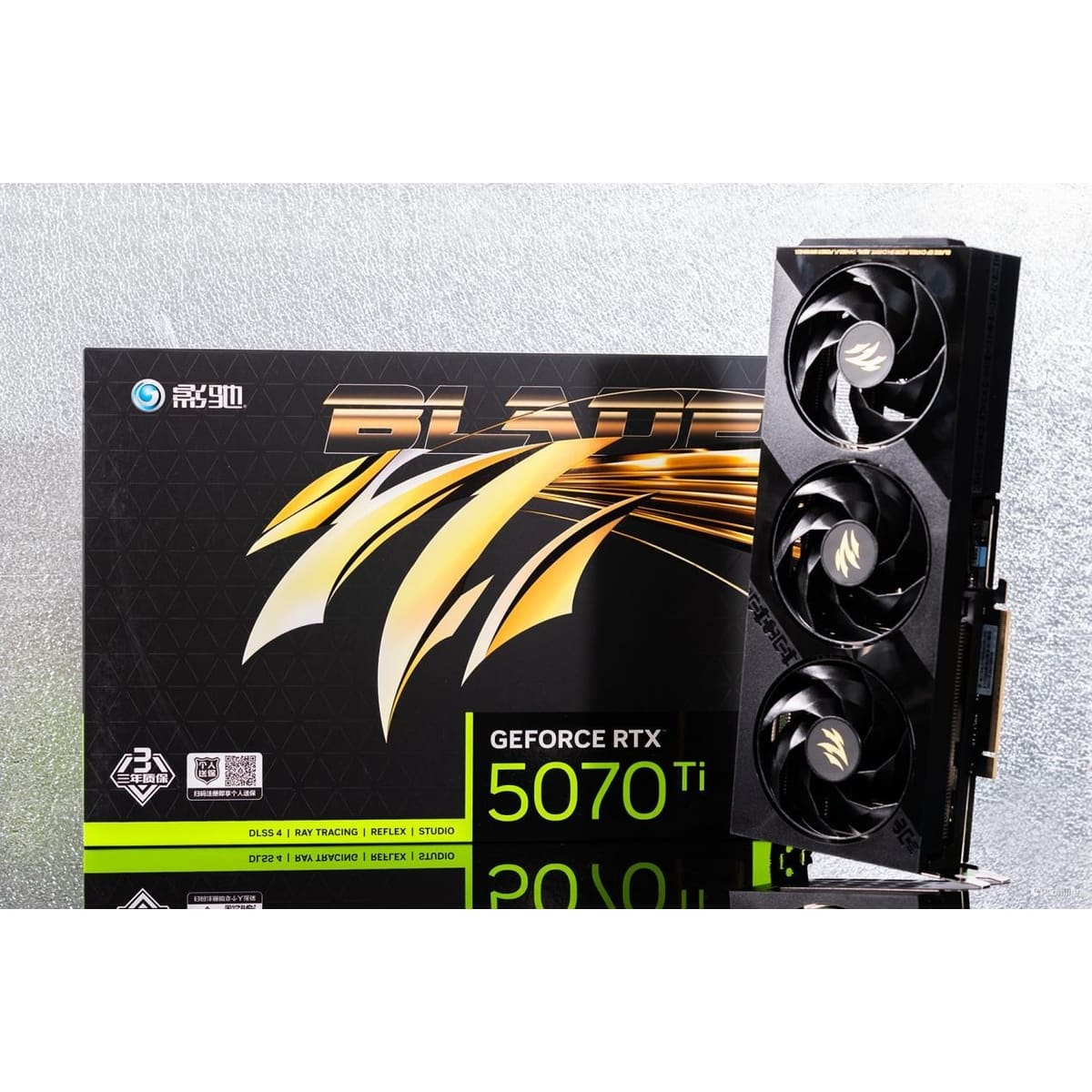
NVIDIA GeForce RTX 5070 Ti

GeForce RTX 5070 Ti

$637

View product
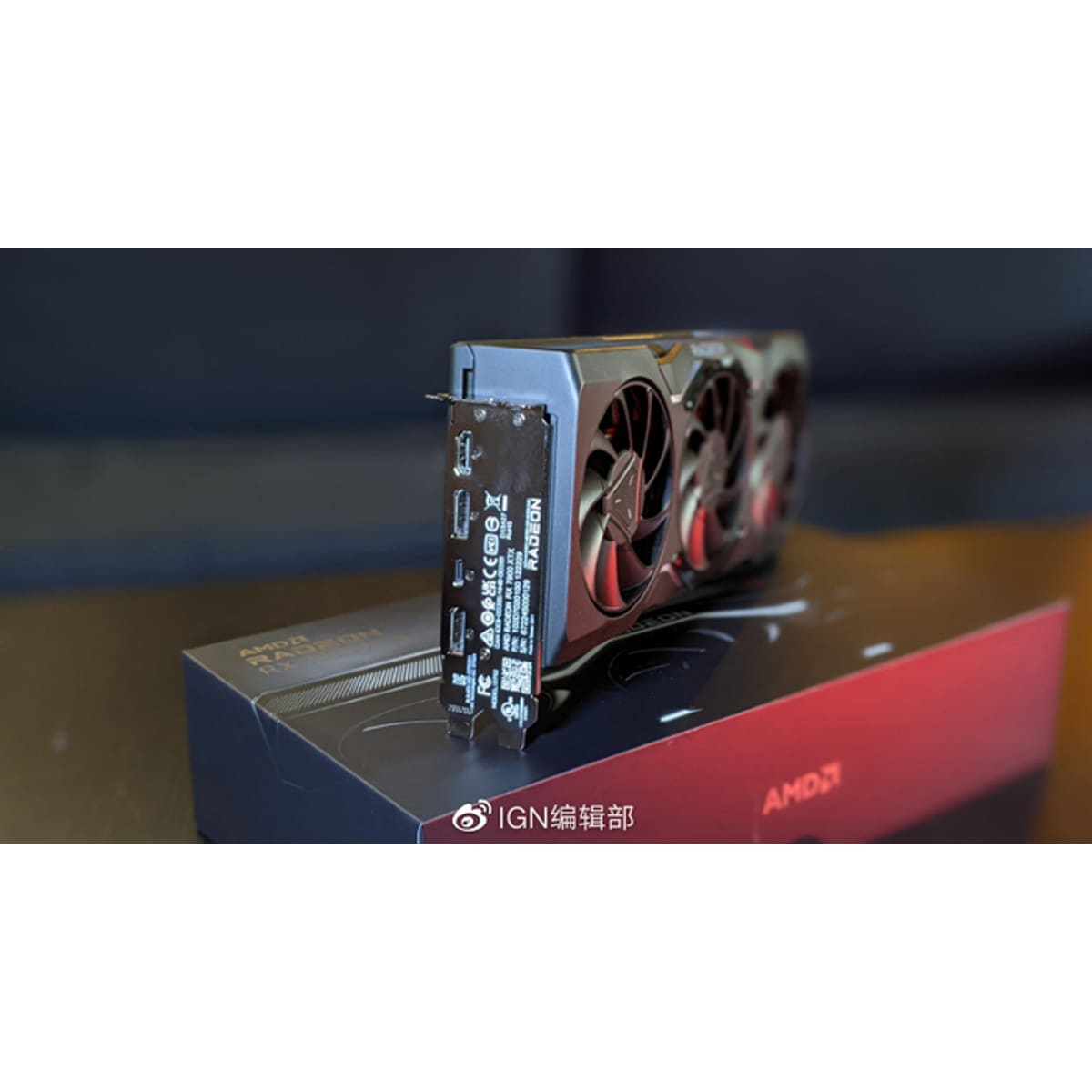
AMD Radeon RX 7900 XTX

Radeon RX 7900 XTX

$799

View product

Buying decision

GeForce RTX 5070 Ti is the stronger fit for 1440p ultra and light 4K; Radeon RX 7900 XTX makes more sense for 4K raster and creator VRAM. GeForce RTX 5070 Ti carries the lower editorial reference by $162, so choose the drawback you are more willing to accept.

GeForce RTX 5070 Ti targets 1440p ultra and light 4K, while Radeon RX 7900 XTX is positioned for 4K raster and creator VRAM. Their current editorial references are $637 and $799. The practical decision is which documented drawback is less disruptive: GeForce RTX 5070 Ti — Street pricing swings hard around new-generation launches; Radeon RX 7900 XTX — AMD lists 355W typical board power and an 800W minimum PSU recommendation. Confirm source badges, exact configuration, and checkout pricing before buying.

GeForce RTX 5070 Ti

Pick GeForce RTX 5070 Ti if its strengths match your routine

Choose GeForce RTX 5070 Ti when 1440p ultra and light 4K matches the work you repeat each week. It is listed at $637, with 6 cited specification fields. Against Radeon RX 7900 XTX, its clearest case is strong everyday fit for 1440p ultra. The issue to test during the return window is whether street pricing swings hard around new-generation launches.

Radeon RX 7900 XTX

Pick Radeon RX 7900 XTX if you value its trade-off more

Choose Radeon RX 7900 XTX when 4K raster and creator VRAM matches the work you repeat each week. It is listed at $799, with 13 cited specification fields. Against GeForce RTX 5070 Ti, its clearest case is AMD specifies 24GB GDDR6 memory, up to 960GB/s bandwidth and a 96MB Infinity Cache. The issue to test during the return window is whether AMD lists 355W typical board power and an 800W minimum PSU recommendation.

Key differences

  • GeForce RTX 5070 Ti is positioned around 1440p ultra and entry 4K, while Radeon RX 7900 XTX leans toward raster 4K and large VRAM.
  • The price context matters: GeForce RTX 5070 Ti is tracked near $749, while Radeon RX 7900 XTX is tracked near $799.
  • GeForce RTX 5070 Ti's main watch-out is Street pricing can change quickly, whereas Radeon RX 7900 XTX's main watch-out is Street pricing can change quickly.
  • Both products belong in the same GPUs shortlist, but they solve different buying problems rather than being interchangeable spec-table neighbors.

Winner by use case

1440p gaming

GeForce RTX 5070 Ti

GeForce RTX 5070 Ti gets the nod for 1440p gaming because its fit for 1440p ultra and light 4K is more relevant here than Radeon RX 7900 XTX's different focus. Treat the win as conditional on this limitation: Street pricing swings hard around new-generation launches.

4K gaming

Radeon RX 7900 XTX

Radeon RX 7900 XTX gets the nod for 4K gaming because its fit for 4K raster and creator VRAM is more relevant here than GeForce RTX 5070 Ti's different focus. Treat the win as conditional on this limitation: AMD lists 355W typical board power and an 800W minimum PSU recommendation.

ray tracing

GeForce RTX 5070 Ti

GeForce RTX 5070 Ti gets the nod for ray tracing because its fit for 1440p ultra and light 4K is more relevant here than Radeon RX 7900 XTX's different focus. Treat the win as conditional on this limitation: Street pricing swings hard around new-generation launches.

value builds

Radeon RX 7900 XTX

Radeon RX 7900 XTX gets the nod for value builds because its fit for 4K raster and creator VRAM is more relevant here than GeForce RTX 5070 Ti's different focus. Treat the win as conditional on this limitation: AMD lists 355W typical board power and an 800W minimum PSU recommendation.

Price and buying timing

GeForce RTX 5070 Ti is tracked at $637, about 15% below its $749 launch reference, while Radeon RX 7900 XTX is tracked at $799, about 20% below its $999 launch reference. GeForce RTX 5070 Ti currently carries the lower editorial reference by $162, but that saving only matters if it still covers the features you use every week. GeForce RTX 5070 Ti remains a current-market option, but the exact US SKU and checkout price still need a retailer check; Radeon RX 7900 XTX remains a current-market option, but the exact US SKU and checkout price still need a retailer check. These figures are not live offers, so re-check retailer pricing and return terms before buying.

Recommendation

Quick verdict

GeForce RTX 5070 Ti and Radeon RX 7900 XTX are close. Choose GeForce RTX 5070 Ti if you care more about 1440p ultra and light 4K; switch to Radeon RX 7900 XTX if its own strengths fit your routine better.

Winner for most buyers

GeForce RTX 5070 Ti

GeForce RTX 5070 Ti is best suited to 1440p ultra and light 4K. Compare alternatives if this documented drawback would undermine that fit: Street pricing swings hard around new-generation launches.

GeForce RTX 5070 Ti

Editorial score: 8.6 / 10

Best for: 1440p ultra, light 4K

Radeon RX 7900 XTX

Editorial score: 8.5 / 10

Best for: 4K raster, creator VRAM

Side-by-side

Specification comparison

18 tracked specs across 7 groups

Every value shows its editorial trust state. “Needs confirmation” means the field has not completed field-level source review; it does not mean the value is known to be wrong.

GeForce RTX 5070 Ti
Radeon RX 7900 XTX
Platform
Architecture
Blackwell GB203
Needs confirmation
AMD Radeon RX 7000 Series; the exact product page does not state a microarchitecture label
Needs confirmation
Process Node
TSMC 4N
Needs confirmation
Not stated on the cited AMD product page
Needs confirmation
Memory
Memory
16GB
Source citedNVIDIA
24GB
Source citedAMD
Memory Type
GDDR7
Source citedNVIDIA
GDDR6
Source citedAMD
Memory Bus
256-bit
Source citedNVIDIA
384-bit (not stated on the cited AMD product page)
Needs confirmation
Memory Bandwidth
896 GB/s
Needs confirmation
960 GB/s
Source citedAMD
Compute
Shader / CUDA Cores
8960 CUDA cores
Needs confirmation
6144 stream processors
Source citedAMD
Boost Clock
2.45 GHz
Source citedNVIDIA
Up to 2500MHz
VariesAMD
Power
Typical Board Power
300W
Needs confirmation
355W
Source citedAMD
Recommended PSU
750W
Needs confirmation
800W
Source citedAMD
Power Connectors
1x 16-pin (12V-2x6)
Needs confirmation
2x 8-pin
Source citedAMD
Gaming
Ray Tracing
4th-gen RT cores
Source citedNVIDIA
96 Ray Accelerators
Source citedAMD
Upscaling
DLSS 4
Source citedNVIDIA
AMD FSR
Source citedAMD
Frame Generation
Multi Frame Generation
Needs confirmation
Not stated on the cited AMD product page
Needs confirmation
Target Resolution
1440p ultra / entry 4K
Needs confirmation
4K and beyond, according to AMD positioning
Source citedAMD
Connectivity
Display Outputs
3x DisplayPort 2.1b, 1x HDMI 2.1b
Needs confirmation
DisplayPort 2.1, HDMI 2.1 and USB-C
Source citedAMD
Interface
PCIe 5.0 x16
Needs confirmation
PCIe 4.0 x16 (not stated on the cited AMD product page)
Needs confirmation
Physical
Card Length Class
Mainstream dual/triple-slot class
Needs confirmation
287mm reference board; 2.5 slots
Source citedAMD
Sources and verification

These sources support the specification fields identified on the linked product pages. Unbadged fields remain editorial reference data, and price or regional availability should be checked again before purchase.

Deeper editorial notes

When GeForce RTX 5070 Ti is the safer start

GeForce RTX 5070 Ti is the better branch for 1440p ultra and light 4K, especially when strong everyday fit for 1440p ultra. It is tracked at $637 and has 6 cited specification fields. Compared with Radeon RX 7900 XTX, do not choose it on ranking position alone. Treat this as the main ownership check: Street pricing swings hard around new-generation launches. Confirm the exact configuration before checkout.

When Radeon RX 7900 XTX is worth the jump

Radeon RX 7900 XTX is the better branch for 4K raster and creator VRAM, especially when AMD specifies 24GB GDDR6 memory, up to 960GB/s bandwidth and a 96MB Infinity Cache. It is tracked at $799 and has 13 cited specification fields. Compared with GeForce RTX 5070 Ti, do not choose it on ranking position alone. Treat this as the main ownership check: AMD lists 355W typical board power and an 800W minimum PSU recommendation. Confirm the exact configuration before checkout.

How to make the final call

Make the final call between GeForce RTX 5070 Ti and Radeon RX 7900 XTX by comparing target-resolution performance, VRAM, ray tracing, and power requirements, then price the complete setup. GeForce RTX 5070 Ti is lower by $162 on the current editorial references, but that gap can move. Check cited-field badges, configuration, warranty, return terms, and required accessories; choose the model whose documented strengths solve your routine with the less disruptive drawback.

Alternatives if neither is right

Related rankings

Related guides