Skip to content

Product comparison

iPhone 16 Pro vs Samsung Galaxy S25: Which Should You Buy?

Compare iPhone 16 Pro and Samsung Galaxy S25 by camera reliability, battery life, update support, carrier compatibility, display quality, and resale value.

Updated 2026-08-23

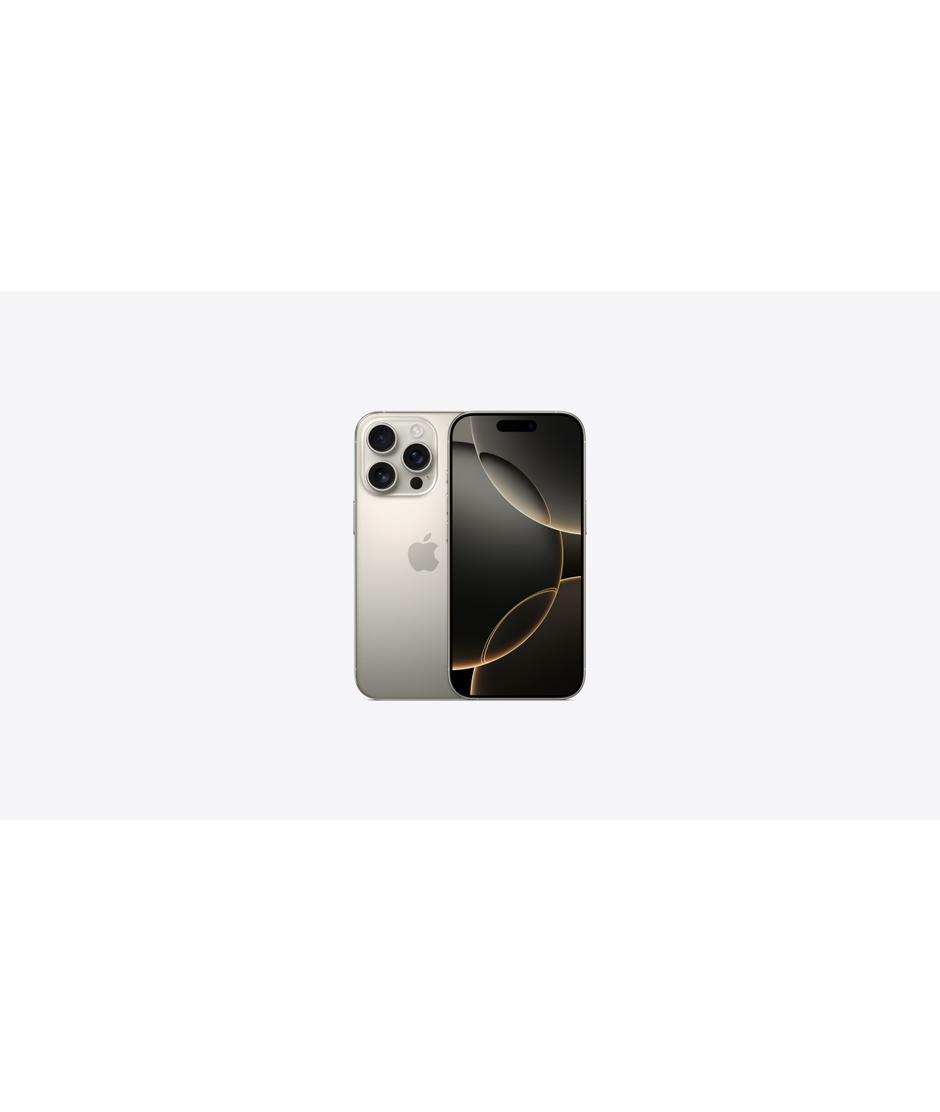
Apple iPhone 16 Pro

iPhone 16 Pro

$799

View product
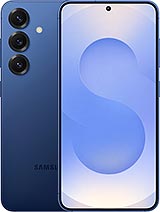
Samsung Samsung Galaxy S25

Samsung Galaxy S25

$699

View product

Buying decision

iPhone 16 Pro is the stronger fit for video creators and iOS users; Samsung Galaxy S25 makes more sense for compact Android buyers and AI features. Samsung Galaxy S25 carries the lower editorial reference by $100, so choose the drawback you are more willing to accept.

iPhone 16 Pro targets video creators and iOS users, while Samsung Galaxy S25 is positioned for compact Android buyers and AI features. Their current editorial references are $799 and $699. The practical decision is which documented drawback is less disruptive: iPhone 16 Pro — Storage and RAM configs get expensive once you leave the base model; Samsung Galaxy S25 — 4000mAh battery leaves less capacity headroom than larger flagship bodies. Confirm source badges, exact configuration, and checkout pricing before buying.

iPhone 16 Pro

Pick iPhone 16 Pro if its strengths match your daily routine

iPhone 16 Pro makes the most sense for shoppers who want video creators, iOS users, compact flagship buyers and are comfortable with a reference price around $799. Its quick verdict is: Best for iOS users who want a smaller pro phone with excellent video quality and dependable long-term updates. Choose it when those strengths matter more than the competing model's biggest advantage, and when you want a purchase that fits your existing accessories, software habits, warranty expectations, and upgrade timing.

Samsung Galaxy S25

Pick Samsung Galaxy S25 if you value its trade-off more

Samsung Galaxy S25 is the better fit when compact Android buyers, AI features, bright displays are higher priorities than chasing the broadest spec sheet. At about $699, it should be judged by how it handles the work you repeat every day. Its quick verdict is: Best for Android buyers who want a smaller high-end phone with long updates and a bright 120Hz display. It is the safer recommendation for buyers who would actually use those advantages rather than paying for features that stay invisible.

Key differences

  • iPhone 16 Pro is positioned around video creators and iOS users, while Samsung Galaxy S25 leans toward compact Android buyers and AI features.
  • The price gap matters: iPhone 16 Pro is currently tracked around $799, while Samsung Galaxy S25 is tracked around $699, so discounts can flip the value call.
  • iPhone 16 Pro's main watch-out is Charging is slower than many Android rivals, whereas Samsung Galaxy S25's main watch-out is Battery capacity is modest.
  • Both products belong in the same phones shortlist, but they solve different buying problems instead of being interchangeable spec-table neighbors.

Winner by use case

camera reliability

iPhone 16 Pro

iPhone 16 Pro gets the nod for camera reliability because its fit for video creators and iOS users is more relevant here than Samsung Galaxy S25's different focus. Treat the win as conditional on this limitation: Storage and RAM configs get expensive once you leave the base model.

battery life

Samsung Galaxy S25

Samsung Galaxy S25 gets the nod for battery life because its fit for compact Android buyers and AI features is more relevant here than iPhone 16 Pro's different focus. Treat the win as conditional on this limitation: 4000mAh battery leaves less capacity headroom than larger flagship bodies.

ecosystem fit

iPhone 16 Pro

iPhone 16 Pro gets the nod for ecosystem fit because its fit for video creators and iOS users is more relevant here than Samsung Galaxy S25's different focus. Treat the win as conditional on this limitation: Storage and RAM configs get expensive once you leave the base model.

long-term value

Samsung Galaxy S25

Samsung Galaxy S25 gets the nod for long-term value because its fit for compact Android buyers and AI features is more relevant here than iPhone 16 Pro's different focus. Treat the win as conditional on this limitation: 4000mAh battery leaves less capacity headroom than larger flagship bodies.

Price and buying timing

iPhone 16 Pro is tracked at $799, about 20% below its $999 launch reference, while Samsung Galaxy S25 is tracked at $699, about 13% below its $799 launch reference. Samsung Galaxy S25 currently carries the lower editorial reference by $100, but that saving only matters if it still covers the features you use every week. iPhone 16 Pro should be judged as clearance, open-box, or refurbished stock, with warranty and battery condition checked before purchase; Samsung Galaxy S25 remains a current-market option, but the exact US SKU and checkout price still need a retailer check. These figures are not live offers, so re-check retailer pricing and return terms before buying.

Recommendation

Quick verdict

iPhone 16 Pro and Samsung Galaxy S25 are close. Choose iPhone 16 Pro if you care more about video creators and iOS users; switch to Samsung Galaxy S25 if its own strengths fit your routine better.

Winner for most buyers

iPhone 16 Pro

iPhone 16 Pro is best suited to video creators and iOS users. Compare alternatives if this documented drawback would undermine that fit: Storage and RAM configs get expensive once you leave the base model.

iPhone 16 Pro

Editorial score: 9.1 / 10

Best for: video creators, iOS users

Samsung Galaxy S25

Editorial score: 8.8 / 10

Best for: compact Android buyers, AI features

Side-by-side

Specification comparison

24 tracked specs across 10 groups

Every value shows its editorial trust state. “Needs confirmation” means the field has not completed field-level source review; it does not mean the value is known to be wrong.

iPhone 16 Pro
Samsung Galaxy S25
Display
Display
6.3-inch OLED, 120Hz
Source citedApple
6.2-inch Dynamic AMOLED 2X, 120Hz
Source citedSamsung
Panel Type
Super Retina XDR OLED
Source citedApple
AMOLED/OLED
Needs confirmation
Refresh Rate
120Hz
Source citedApple
120Hz
Needs confirmation
Resolution
2622 x 1206 at 460 ppi
Source citedApple
FHD+ class
Needs confirmation
Performance
Chipset
A18 Pro
Source citedApple
Snapdragon 8 Elite for Galaxy
Source citedSamsung
Memory
8GB
Needs confirmation
12GB
Needs confirmation
Storage
Storage
128GB / 256GB / 512GB / 1TB
Source citedApple
128GB / 256GB / 512GB
Needs confirmation
Expandable Storage
No microSD
Needs confirmation
Usually no microSD
Needs confirmation
Camera
Main Camera
48MP wide + 48MP ultra wide + 12MP telephoto
Source citedApple
50MP wide + 12MP ultra wide + 10MP telephoto
Source citedSamsung
Ultra Wide
48MP ultra wide, 13mm, f/2.2, 120-degree field of view
Source citedApple
Ultra wide supported
Needs confirmation
Telephoto / Zoom
12MP 5x telephoto, 120mm, f/2.8
Source citedApple
Telephoto / zoom supported
Needs confirmation
Front Camera
12MP TrueDepth camera with autofocus
Source citedApple
High-resolution front camera
Needs confirmation
Video Capture
4K video capture
Source citedApple
1080p / 4K class video
Needs confirmation
Battery
Battery
Up to 27 hours video playback; up to 22 hours streamed video
Source citedApple
4000mAh
Source citedSamsung
Wired Charging
USB-C; fast charge up to 50% in around 30 minutes with a 20W or higher adapter
Source citedApple
25W wired, wireless charging
Needs confirmation
Wireless Charging
MagSafe up to 25W, Qi2 up to 15W, Qi up to 7.5W
Source citedApple
Wireless charging on many trims
Needs confirmation
Design
Weight
199g
Source citedApple
162g
Source citedSamsung
Dimensions
149.6 x 71.5 x 8.25 mm
Source citedApple
Modern slab smartphone dimensions
Needs confirmation
Build
Titanium design, Ceramic Shield front, textured matte glass back
Source citedApple
Glass and metal/plastic Galaxy build
Needs confirmation
Durability
Water Resistance
IP68 (up to 6m for 30 minutes)
Source citedApple
IP67/IP68 on many models
Needs confirmation
Software
Operating System
iOS
Source citedApple
Android with One UI
Needs confirmation
Update Policy
Long multi-year iOS support
Needs confirmation
Leading multi-year Android support
Needs confirmation
Connectivity
Connectivity
5G, Wi-Fi 7, Bluetooth 5.3, NFC, second-generation UWB, Thread
Source citedApple
5G, Wi-Fi 6/6E/7, Bluetooth, NFC
Needs confirmation
Security
Biometrics
Face ID
Source citedApple
Fingerprint and face unlock
Needs confirmation
Sources and verification

These sources support the specification fields identified on the linked product pages. Unbadged fields remain editorial reference data, and price or regional availability should be checked again before purchase.

Deeper editorial notes

When iPhone 16 Pro is the safer start

iPhone 16 Pro is the better branch for video creators and iOS users, especially when strong everyday fit for video creators. It is tracked at $799 and has 6 cited specification fields. Compared with Samsung Galaxy S25, do not choose it on ranking position alone. Treat this as the main ownership check: Storage and RAM configs get expensive once you leave the base model. Confirm the exact configuration before checkout.

When Samsung Galaxy S25 is worth the jump

Samsung Galaxy S25 is the better branch for compact Android buyers and AI features, especially when 162g weight is unusually manageable for a current three-camera flagship. It is tracked at $699 and has 5 cited specification fields. Compared with iPhone 16 Pro, do not choose it on ranking position alone. Treat this as the main ownership check: 4000mAh battery leaves less capacity headroom than larger flagship bodies. Confirm the exact configuration before checkout.

How to make the final call

Make the final call between iPhone 16 Pro and Samsung Galaxy S25 by comparing camera reliability, battery life, software support, and carrier compatibility, then price the complete setup. Samsung Galaxy S25 is lower by $100 on the current editorial references, but that gap can move. Check cited-field badges, configuration, warranty, return terms, and required accessories; choose the model whose documented strengths solve your routine with the less disruptive drawback.

Alternatives if neither is right

Related rankings

Related guides