Skip to content

Product comparison

HP Pavilion Plus 14 vs Lenovo Yoga 7i 14 Gen 9: Which Should You Buy?

Compare HP Pavilion Plus 14 and Lenovo Yoga 7i 14 Gen 9 by portable performance, battery life, display quality, keyboard feel, ports, upgrade limits, and.

Updated 2026-06-29

Buying decision

HP Pavilion Plus 14 is the value-first pick, while Lenovo Yoga 7i 14 Gen 9 is the stronger choice if its extra strengths match your daily use.

HP Pavilion Plus 14 is easier to recommend when you care most about budget OLED, student work, light creators. Lenovo Yoga 7i 14 Gen 9 is the better fit when 2-in-1 value, students, touchscreen notes matter more. The right answer depends on which trade-off you will notice after the return window closes, especially around portable performance, battery life, display quality, keyboard feel, ports, upgrade limits, and student or business pricing and current US street pricing.

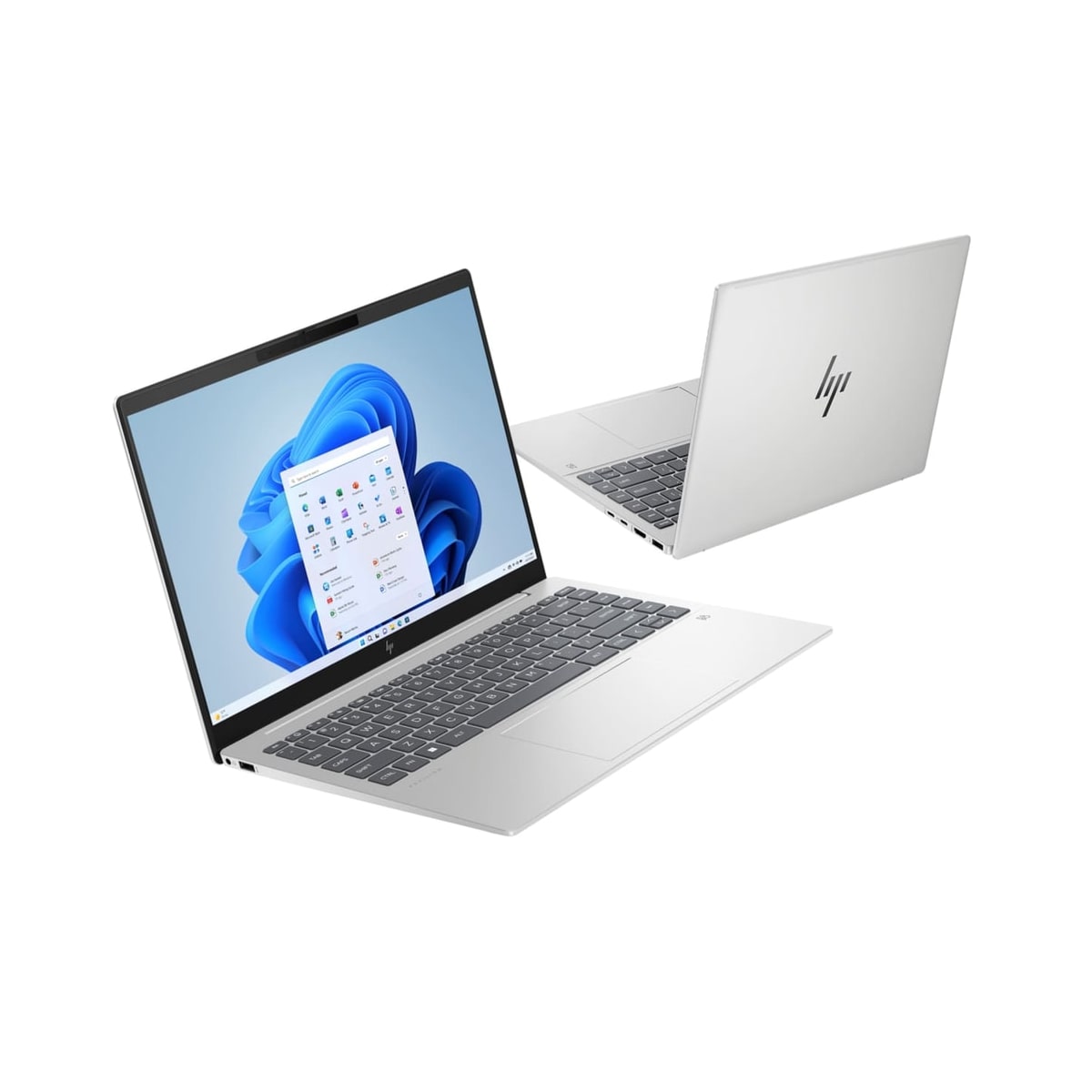
HP Pavilion Plus 14

Pick HP Pavilion Plus 14 if its strengths match your routine

HP Pavilion Plus 14 makes sense for buyers who want budget OLED, student work, light creators and can find it near $699. Its main advantage is not one isolated spec; it is the way the price, support story, and daily ownership trade-offs line up for shoppers who already know they want this type of laptops option.

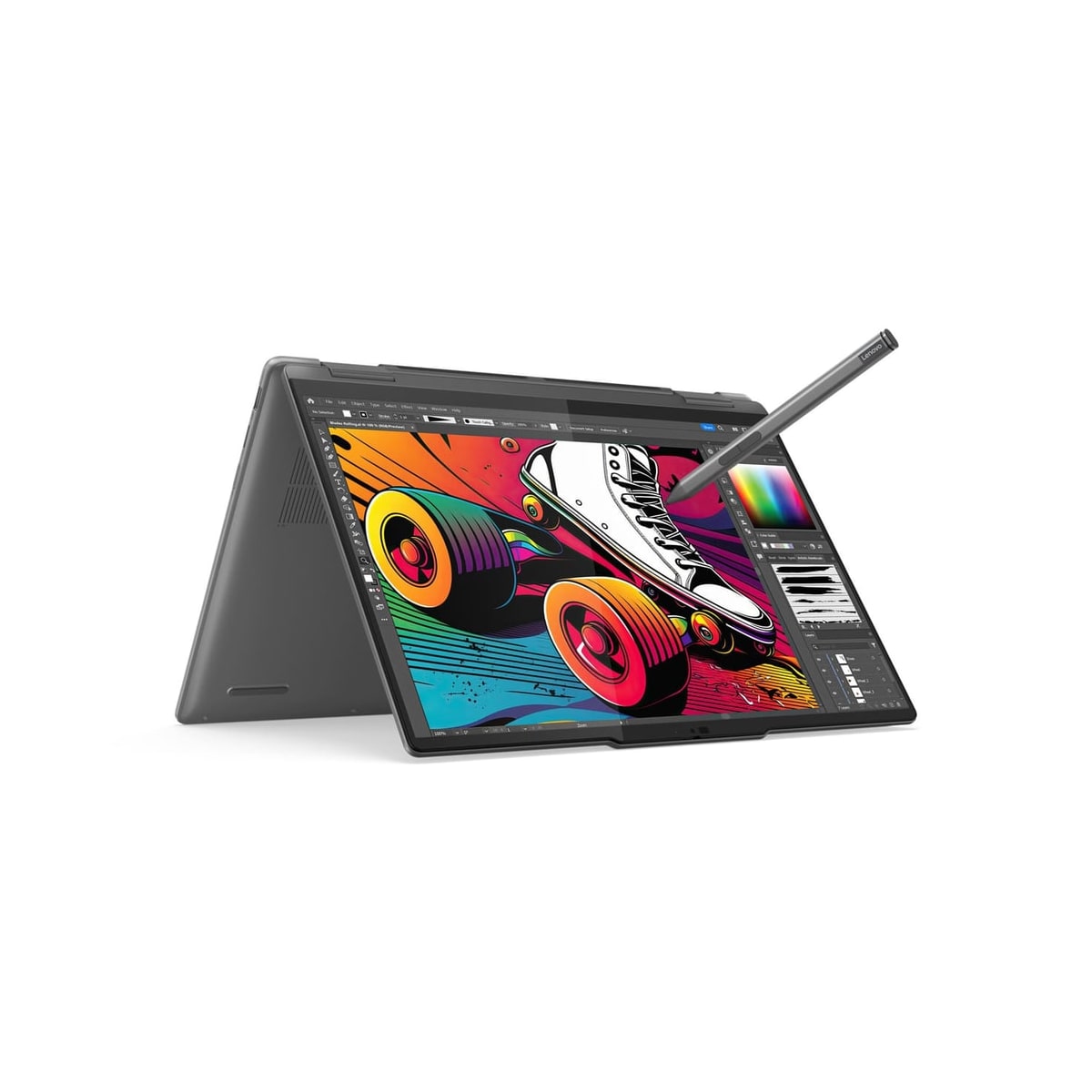
Lenovo Yoga 7i 14 Gen 9

Pick Lenovo Yoga 7i 14 Gen 9 if you value its trade-off more

Lenovo Yoga 7i 14 Gen 9 is the better starting point for shoppers who want 2-in-1 value, students, touchscreen notes. At about $749, it should be judged by whether those strengths remove a real daily problem. If they do, the competing product's lower price or different feature mix may matter less.

Key differences

  • HP Pavilion Plus 14 is positioned around budget OLED and student work, while Lenovo Yoga 7i 14 Gen 9 leans toward 2-in-1 value and students.
  • The price context matters: HP Pavilion Plus 14 is tracked near $699, while Lenovo Yoga 7i 14 Gen 9 is tracked near $749.
  • HP Pavilion Plus 14's main watch-out is Street pricing can change quickly, whereas Lenovo Yoga 7i 14 Gen 9's main watch-out is Street pricing can change quickly.
  • Both products belong in the same laptops shortlist, but they solve different buying problems rather than being interchangeable spec-table neighbors.

Winner by use case

student work

HP Pavilion Plus 14

HP Pavilion Plus 14 is the stronger pick for student work because its price, buyer profile, and product strengths align better with that specific shopping priority.

portable productivity

Lenovo Yoga 7i 14 Gen 9

Lenovo Yoga 7i 14 Gen 9 is the stronger pick for portable productivity because its price, buyer profile, and product strengths align better with that specific shopping priority.

creative workloads

HP Pavilion Plus 14

HP Pavilion Plus 14 is the stronger pick for creative workloads because its price, buyer profile, and product strengths align better with that specific shopping priority.

long-term value

Lenovo Yoga 7i 14 Gen 9

Lenovo Yoga 7i 14 Gen 9 is the stronger pick for long-term value because its price, buyer profile, and product strengths align better with that specific shopping priority.

Price and buying timing

back-to-school, holiday sales, processor refreshes, open-box discounts can change the value call. Use $699 for HP Pavilion Plus 14 and $749 for Lenovo Yoga 7i 14 Gen 9 as editorial reference prices, then check current retailer and brand pricing before buying. Buy now if the winner fixes a real limitation; wait if both are near launch pricing or if an adjacent model is being cleared out.

Who should start with the first product

Start with HP Pavilion Plus 14 if budget OLED, student work, light creators describe your real use case. Its biggest appeal is that it gives a clear reason to buy without forcing a shopper to chase every spec. The trade-off is street pricing can change quickly, so this pick works best when that issue is less important than the strengths you will use every day.

Who should start with the second product

Start with Lenovo Yoga 7i 14 Gen 9 if 2-in-1 value, students, touchscreen notes are more important than the first product's strengths. It is also the better model to examine when the first product is overpriced, hard to find, or too compromised for your setup. The main caution is street pricing can change quickly, so buyers should compare real checkout totals before deciding.

How to make the final call

Compare around portable performance, battery life, display quality, keyboard feel, ports, upgrade limits, and student or business pricing, then decide which compromise you can live with for several years. If both products are close, choose the one with the clearer warranty path, better return option, and lower total setup cost. That keeps the purchase tied to real North America shopping behavior rather than a single benchmark or marketing feature.

Recommendation

Quick verdict

HP Pavilion Plus 14 is the strongest overall pick for most buyers, especially for budget OLED and student work.

Winner for most buyers

HP Pavilion Plus 14

Best for budget OLED, student work, light creators when the current US reference price is meaningfully below competing options.

HP Pavilion Plus 14

Overall score: 8.6 / 10

Best for: budget OLED, student work

Lenovo Yoga 7i 14 Gen 9

Overall score: 8.5 / 10

Best for: 2-in-1 value, students

Side-by-side

Specification comparison

Specification comparison between HP Pavilion Plus 14, Lenovo Yoga 7i 14 Gen 9
SpecHP Pavilion Plus 14Lenovo Yoga 7i 14 Gen 9
Display13-inch to 16-inch IPS or OLED display13-inch to 16-inch IPS or OLED display
ProcessorIntel, AMD, or Snapdragon laptop platformIntel, AMD, or Snapdragon laptop platform
Memory16GB / 32GB16GB / 32GB
Storage512GB / 1TB / 2TB512GB / 1TB / 2TB
BatteryUp to 12 to 20 hours depending on workloadUp to 12 to 20 hours depending on workload
PortsUSB-C, USB-A, HDMI or microSD depending on configurationUSB-C, USB-A, HDMI or microSD depending on configuration
Weight1.1kg to 1.8kg1.1kg to 1.8kg

Alternatives if neither is right